Safe Summer Walks: Protecting Your Dog from Egypt's Heat
Why Summer Walks Need Special Care
Dogs cool themselves mainly by panting, which becomes far less effective when the air itself is 40°C or hotter. Add scorching pavement and the risk of heatstroke and burned paws rises sharply during a Cairo summer.
The 7-Second Pavement Test
Before every walk, press the back of your hand to the pavement for 7 seconds. If it is too hot for your hand, it is too hot for your dog's paws. Asphalt can reach 60°C+ when the air is 35°C — hot enough to cause painful burns.
Best Walking Times
- Early morning — before 8am, when the ground is coolest
- Late evening — after 8pm, once the pavement has cooled
- Avoid 11am–5pm entirely during June–September
Hydration on the Go
Carry a collapsible water bowl and fresh water on every outing. Offer water before, during, and after the walk. For longer outings, a cooling vest soaked in water can help larger breeds.
Know the Signs of Heatstroke
- Heavy, frantic panting
- Bright red gums or tongue
- Drooling, wobbling, or collapse
- Vomiting or diarrhoea
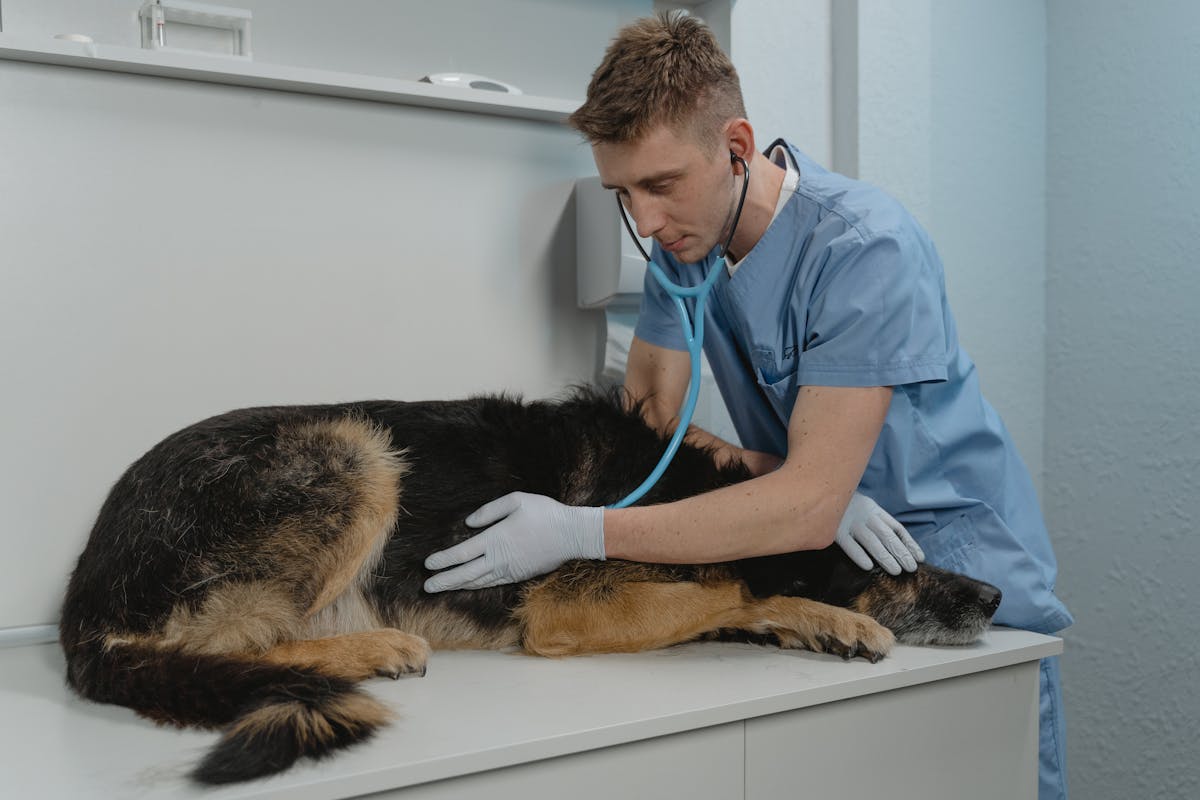
If you see these, move your dog to shade immediately, wet them with cool (not ice-cold) water, and head to the nearest vet. Heatstroke is a medical emergency.
Protecting the Paws
Consider dog booties for daytime walks, or stick to grassy and shaded routes. Walking along the Nile corniche or in a shaded compound garden is far safer than open asphalt.
Indoor Alternatives
On the hottest days, swap the walk for indoor play, puzzle feeders, or training sessions. Mental stimulation tires a dog just as effectively as a walk — without the heat risk.